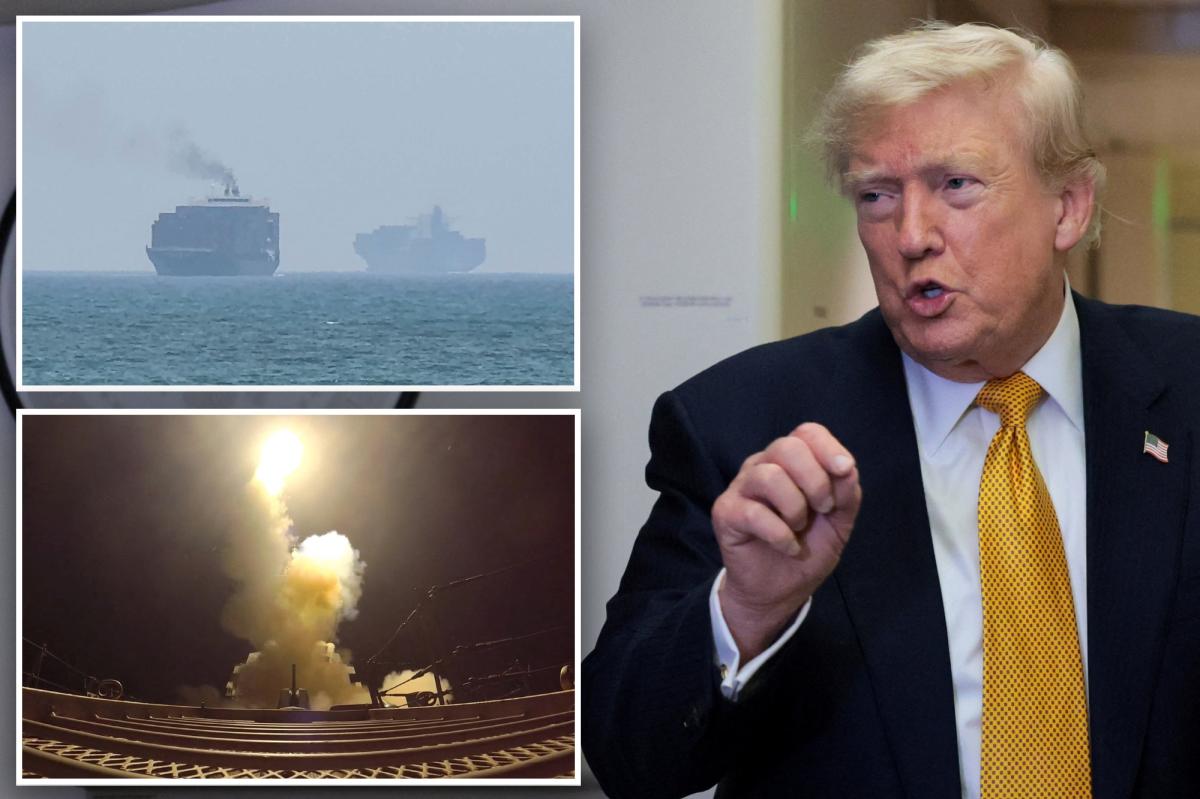
Trump announces US Navy reinstating Iran blockade, announces 20% charge for safe passage
Trump announces US Navy reinstating Iran blockade, announces 20% charge for safe passage

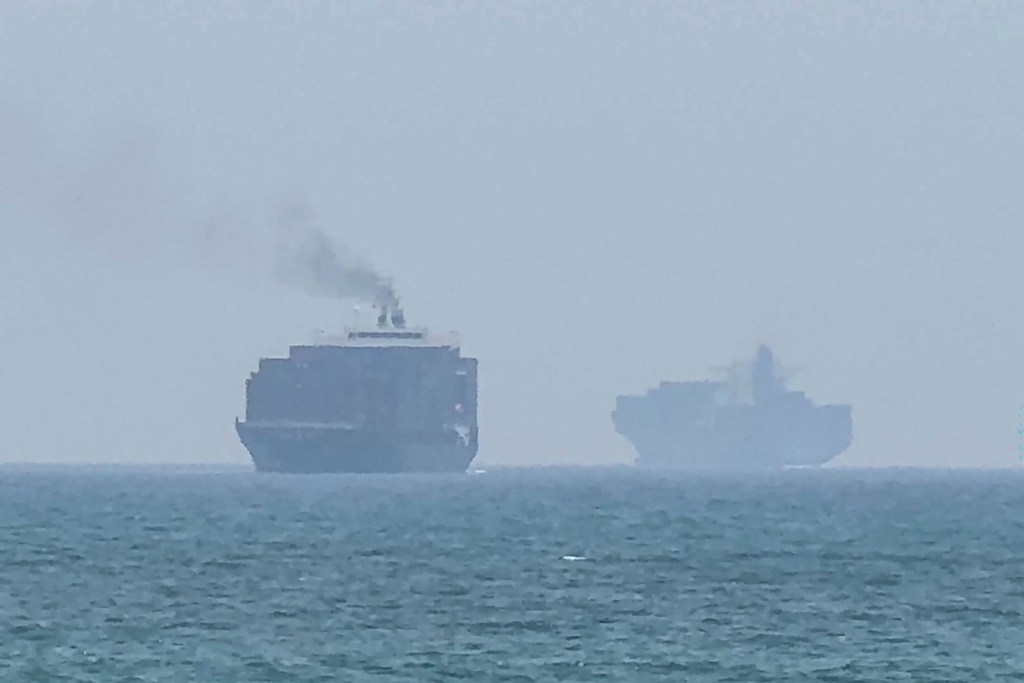
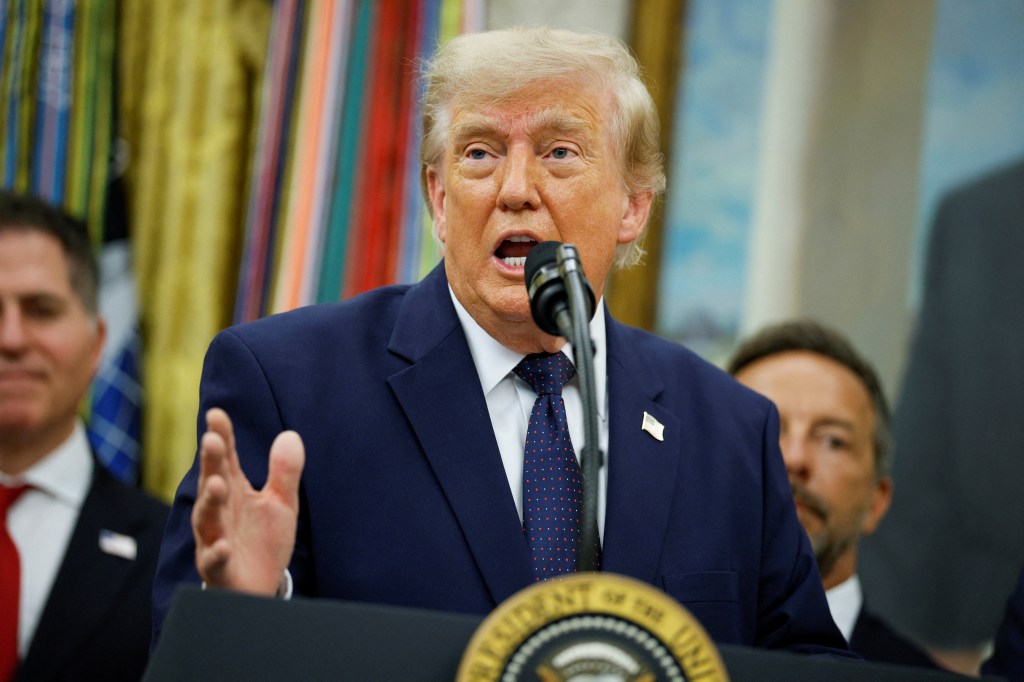
WASHINGTON — President Trump on Monday restarted the US naval blockade of Iran’s ports, and — in a big departure — said the US would be charging money for providing the safe passage of ships in the Strait of Hormuz.
The announcement comes after Iran has sought to charge tolls for commercial vessels passing the key waterway — which was previously toll-free before the US and Israel unleashed their war on Iran on Feb. 28.
“The U.S.A. will be, from this point forward, known as ‘THE GUARDIAN OF THE HORMUZ STRAIT,’ but as such, and as a matter of FAIRNESS, will be reimbursed, at the rate of 20% on all cargo shipped, for any and all costs necessary to do the job of providing safety and security to this very volatile section of the World,” he added.
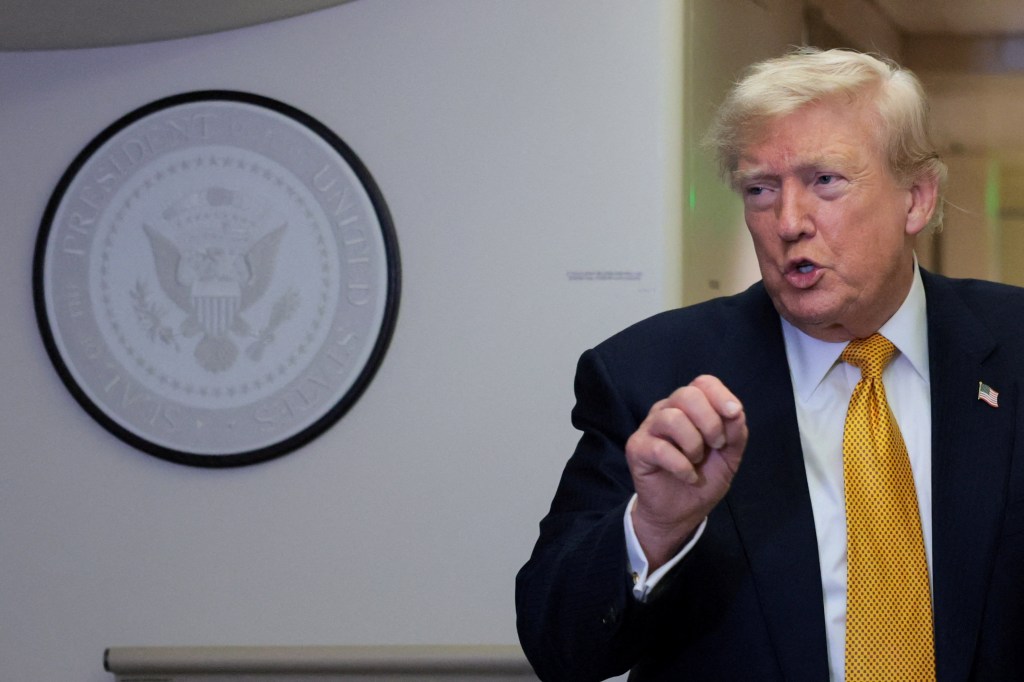
“The process and formation will begin immediately,” said the president. US Central Command confirmed that the blockade would resume at 4 p.m. ET.
“CENTCOM forces redirected more than 140 compliant vessels, disabled nine non-compliant ships, and allowed over 50 commercial vessels supporting humanitarian aid to pass through the blockade during the two-month period,” it said in a statement about the shaky cease-fire that had preceded.
A former administration official told The Post that Trump’s 20% reimbursement fee will likely be applied to the cost of the US military escorting ships in and out of the strait.
“If you’re Trump looking at how the European and Asian allies with naval capacity haven’t done squat, and the Arabs have played both sides of the talks and hindered our ability to conduct a more robust Project Freedom, you can understand the frustration of taking on [the] full cost of naval patrols and escorts for someone else’s supply and demand,” the ex-official said. “This isn’t our oil, and, except for California, it’s not our imports.”
“There’s probably a better way to structure it in reality if we actually needed to fund a long-term maritime mission to protect someone else’s oil. Rather than having every ship pay us, just cut the deal with the Gulfies directly behind the scenes,” the former official added.
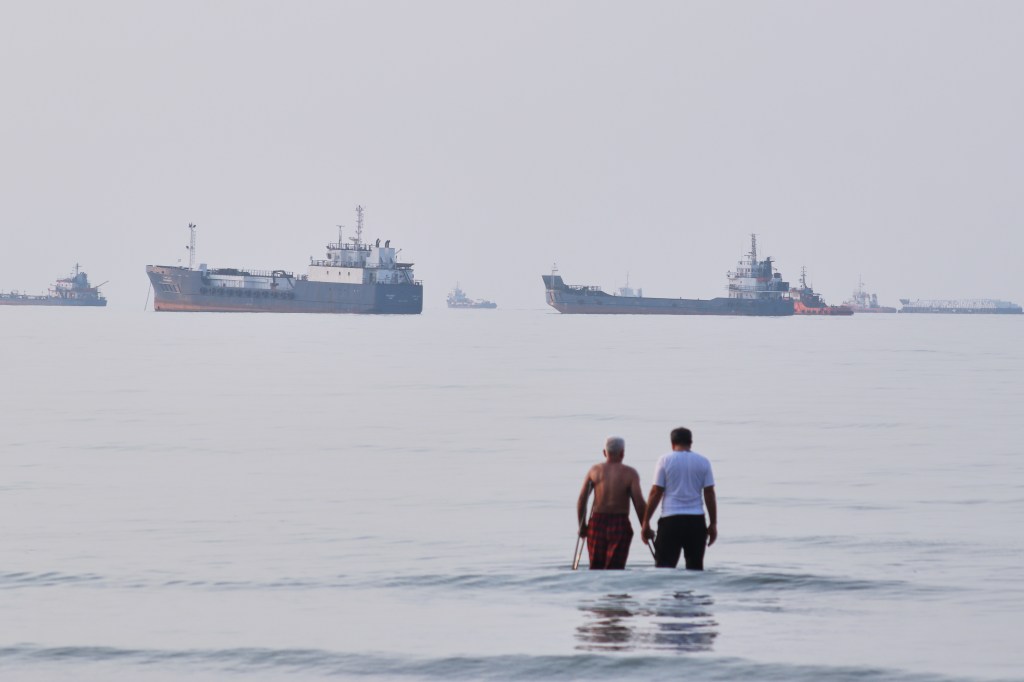
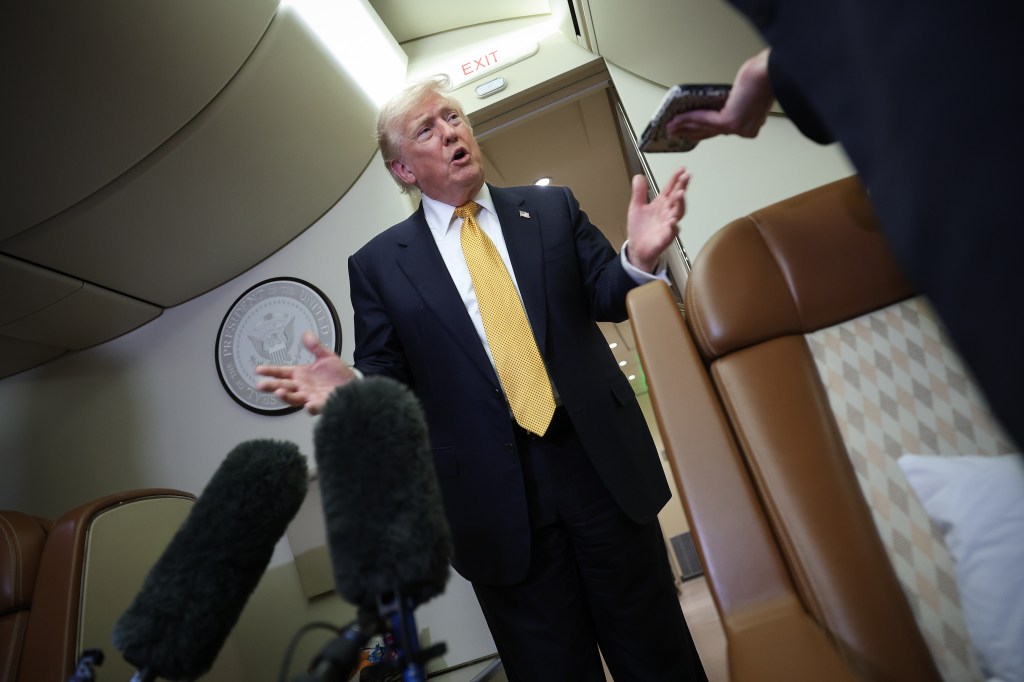
Clayton Seigle, a senior associate in the Center for Strategic and International Studies’ Energy Security and Climate Change Program, said that the fee has been seen as “perplexing for market and industry observers.
“The Trump administration has been vociferously rejecting Iran’s stated intention to charge fees or tolls or tax — whatever you want to label it — for months now,” Seigle said, noting that when the Iranians sought to impose a similar fine, and been accused of “extortion.”
“It is a reasonable assumption to think that it’s more about negotiating posture,” added Seigle.
Iranian foreign minister Seyed Abbas Araghchi said Trump was “absolutely right” to demand the US “be compensated for this service” — but declared that “Iran has always been the GUARDIAN of the Strait and will remain so FOREVER.”
Araghchi added: “20% is of course too much. We will be fair.”
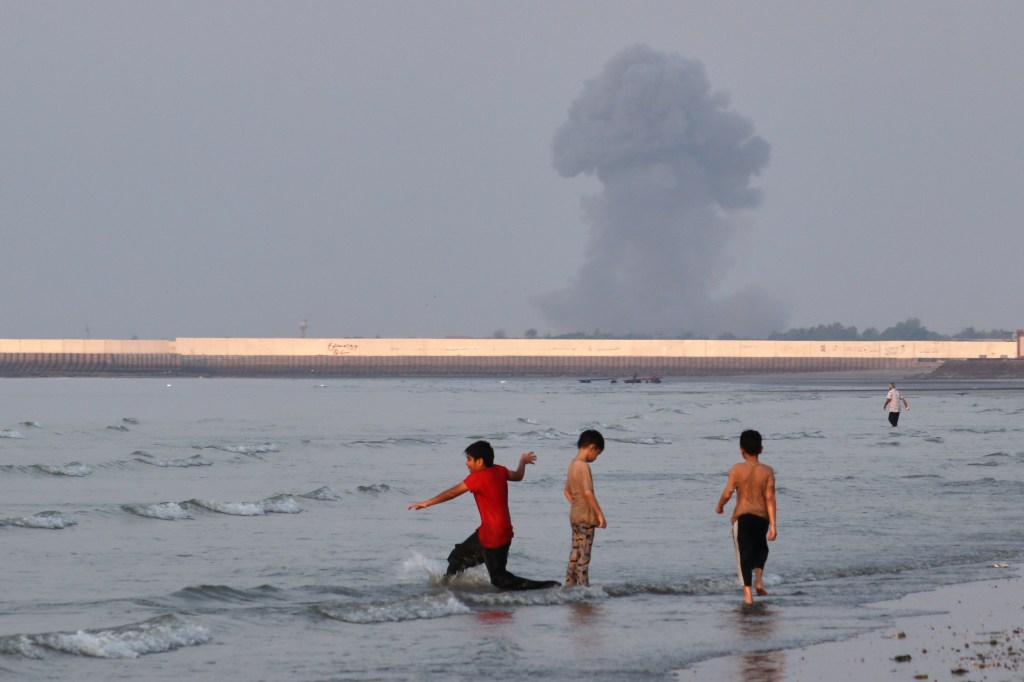
The turmoil in the strait comes after the American military pummeled regime forces over the weekend to restore international shipping through the critical oil chokepoint.
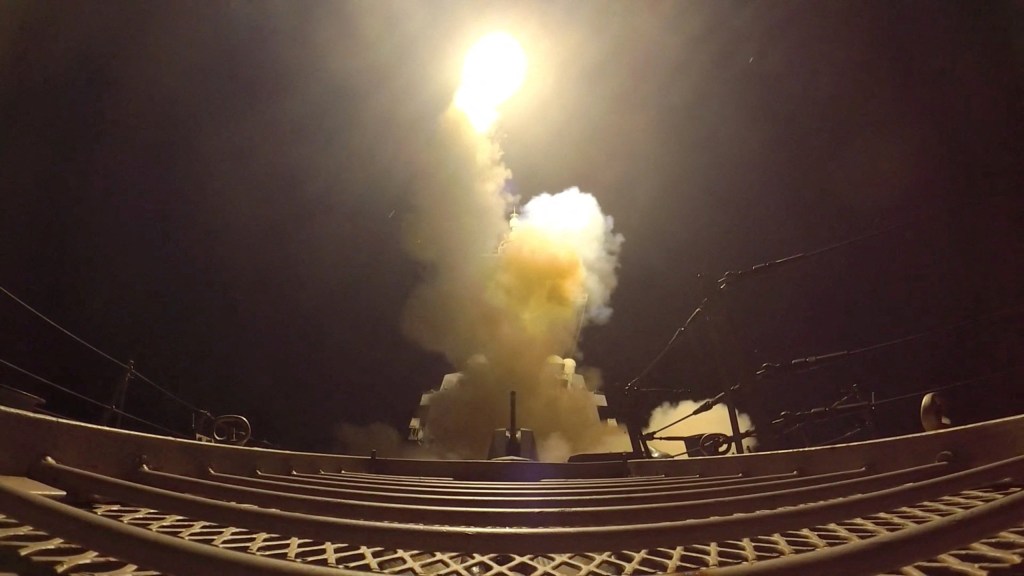
US Central Command (CENTCOM) announced late Sunday that American forces hit dozens of Iranian targets, including missile and drone capabilities as well as small boats, coastal radar sites, and Tehran’s air-defense systems.
Brent crude oil prices rose roughly 5% to around $80 per barrel on Monday in the wake of the strikes.
Iran has maintained that the waterway, through which one-fifth of the world’s seaborne oil passes, is closed. Tehran struck at US allies in the Persian Gulf, including some of Kuwait’s offshore energy infrastructure, according to the Athens-based Xclusiv Shipbrokers.
A US naval blockade had been imposed earlier in the conflict but withdrawn ahead of the signing of a 14-point Memorandum of Understanding with Iran in mid-June.
That document stipulated vessels transiting the Strait of Hormuz for a 60-day period would not be charged and guaranteed “safe passage” while Iranian and US negotiators hashed out a final deal to conclude the conflict.
“The Islamic Republic of Iran will conduct dialog with the Sultanate of Oman to define the future administration and maritime services in the Strait of Hormuz in discussion with other Persian Gulf or littoral states in line with the applicable international law and the sovereign rights of coastal states of the Strait of Hormuz,” it stated.
But the negotiators were never able to see eye to eye after the removal of the US naval blockade.
Iran declared that all ships “will not be covered by safe passage guarantees and will not benefit from insurance coverage or associated liabilities” if not proceeding through maritime routes that Tehran approved.
Iran had initially sought to collect up to $40 billion annually with Oman through its tolls, but Omani officials rejected that.
Follow The Post’s latest coverage on the blocked Strait of Hormuz and its lasting effects
- Strait of Hormuz oil flowing back to pre-Iran war levels, Vance says
- Iran says it won’t ‘allow’ other countries to de-mine the Strait of Hormuz
- How US turned up the heat on Iran with Hormuz, Lebanon before ship strikes
- Iran doubles down on control of Strait of Hormuz after weekend of violence — as shipping traffic plummets
- Iran launches attacks on US military sites in Kuwait and Bahrain: report
US Central Command had been working recently with the International Maritime Organization to escort ships through the southern channel of the Strait of Hormuz, which hugs the Omani side.
Iran then chose to fire on commercial ships in recent weeks, reigniting the conflict and hampering negotiations.
“What we’re demanding is that the Iranians issue a public statement that acknowledges all channels of the Strait of Hormuz are open, and they’re not shooting at ships anymore,” a US official said Friday.
“They’re either going to give us that statement, or we’re not going to have a good outcome.”
On July 10, Trump informed Congress that US forces had commenced new strikes on Iran starting three days prior, according to a White House letter obtained by The Post.
The missive, addressed to Senate president pro tempore Chuck Grassley (R-Iowa), cited the need to defend the US, its allies in the Middle East, and provide “safe passage of commercial vessels through the Strait of Hormuz.”
“United States Armed Forces remain postured to take further action, as necessary and appropriate, to address further threats and attacks upon the United States or its allies and partners and to ensure the Government of the Islamic Republic of Iran ceases being a threat to the United States and to our allies and partners,” it also read.
The White House did not immediately respond to a request for comment.